




El Niño 2026: What San Diego County Residents Need to Know
El Niño conditions could bring increased rainfall, more frequent storms, and a heightened risk of flooding to San Diego County throughout fall and winter. The County is monitoring weather patterns closely and coordinating with regional partners to keep communities informed and prepared.
This page provides clear steps you can take now, expected local impacts, and County tools to help you stay safe.


What Are the Potential Impacts of El Niño?
This year’s El Niño is expected to be stronger because the ocean has stayed warmer than usual for a while. Current signs show we are more likely to get steady, wet weather across the region.
Potential Local Impacts
- Heavy rain
- Flooding in low-lying urban areas
- Mudslides and debris flows
- Landslide risk in steep terrain
- Coastal erosion
- Road closures, transportation delays
- Stormwater system strain
- Power outages
How to Prepare
- Create a family disaster plan, including evacuation routes, meeting locations, emergency contacts, and pet needs.
- Build an emergency kit with water, nonperishable food, medications, documents, flashlights, batteries, and pet supplies.
- Sign up for Alert San Diego emergency notifications.
- Monitor weather conditions from official sources.
- Pick up sandbags before a storm arrives. Free sandbags and sand are available at County and CAL FIRE sites across the region. (link to list of locations)
- Clear drains, gutters, and yard debris.
- Check slopes and stabilize bare ground.
- Inspect roofs for leaks or weak spots.
- Secure outdoor items that could block drainage systems.
- Report storm-related issues in the unincorporated areas with the Tell Us Now app before, during and after a storm.
- Never drive or walk through flooded streets — Turn Around, Don’t Drown.
- Check advisories and warnings regularly.
- Be ready to evacuate if needed.
- Keep flashlights, batteries, and radios accessible in case of outages.
- Secure trash bins and outdoor debris to keep drainage paths clear.
- Use caution when traveling; watch for signal outages, downed lines, and debris.
- Avoid standing water to prevent mold, bacteria, and pests.
- Dry wet areas in your home quickly and safely.
- Discard food exposed to floodwater or impacted by outages.
- Practice good hand hygiene, especially during cleanup.
- Keep children and pets away from contaminated water.
How the County Is Preparing and Responding
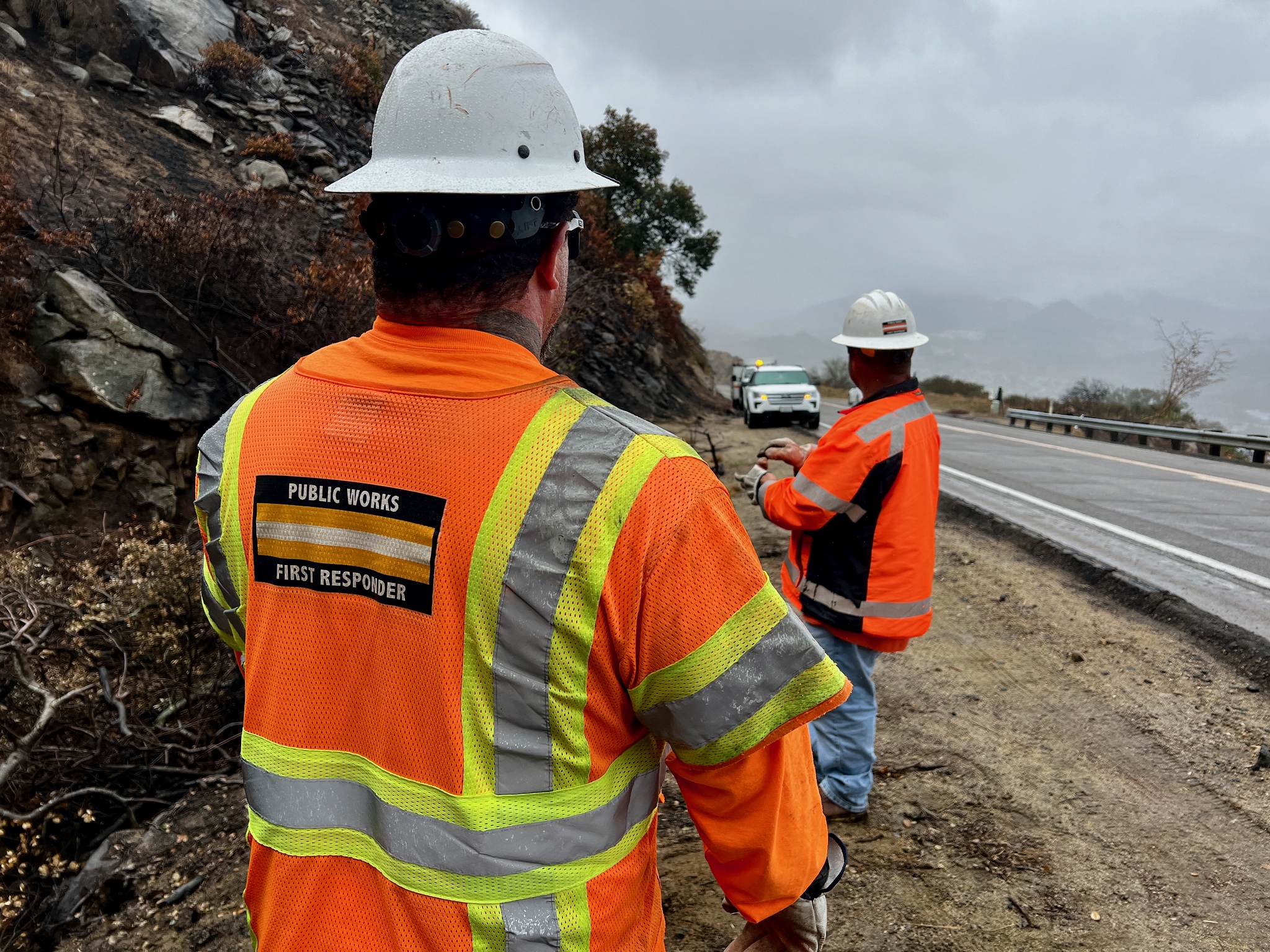
- Public Works crews are clearing storm drains, channels and culverts ahead of major storms.
- High‑priority flood‑prone locations are being inspected and maintained regularly.
- Additional personnel and equipment are prepositioned for rapid storm response.
- Transportation teams are monitoring roads and are ready to respond to closures, debris and traffic signal outages.
- The County Emergency Operations Center will activate as needed to support storm response and coordination with cities and regional partners.
- Free sand and sandbags are available at County and CAL FIRE stations across the region.
- The Tell Us Now app allows residents in unincorporated communities to report storm issues quickly and directly.
Tools and Resources





FEMA Flood Risk Map
Find out if you live in an area with an increased risk of flooding during a storm.
Need additional support?
Visit our full resource directory for links to local disaster relief organizations, County services, city and regional agencies, utilities, and other partners available during severe weather.